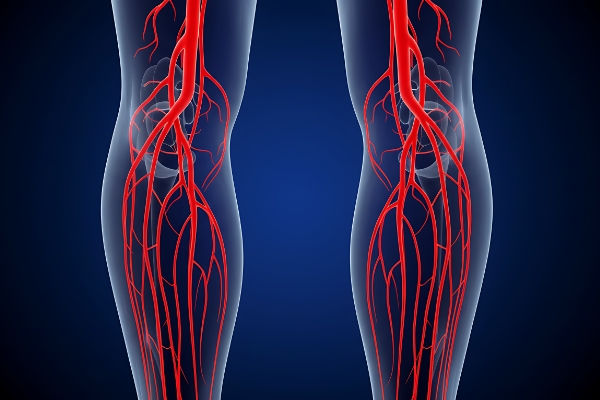
Varicose veins are not always only a cosmetic concern. When leg-vein valves do not close well, blood can pool in the legs and cause aching, heaviness, swelling, itching, skin changes, or ulcers. This is called chronic venous insufficiency. Treatment should be based on symptoms, examination, and ultrasound—not on the appearance of a vein alone.
Common symptoms
- Bulging or twisted surface veins
- Aching, throbbing, burning, itching, or heaviness
- Swelling that worsens later in the day
- Symptoms that worsen with long periods of standing
- Darkening, inflammation, or thickening of skin near the ankle
- Bleeding from a surface vein
- A slow-healing venous ulcer
Reflux and blockage are not the same
Venous insufficiency usually means backward flow, or reflux, caused by weak valves. Chronic venous occlusion is a blockage in a deep vein, often after a prior blood clot. Iliac vein compression—including classic May-Thurner syndrome—occurs deeper in the pelvis. These conditions can overlap, but they are evaluated and treated differently.
How vein disease is evaluated
A duplex ultrasound maps the superficial and deep veins, checks valve function, and looks for clot or blockage. Long-lasting or one-sided swelling may require evaluation for a pelvic-vein blockage, lymphedema, medication effects, or heart, kidney, liver, or thyroid disease.
Treatment options
Initial care may include walking, calf-muscle exercise, leg elevation, weight management, skin care, and compression when safe. Compression should be individualized when significant arterial disease is possible. When symptomatic superficial reflux is confirmed, treatment may include thermal or nonthermal ablation, ultrasound-guided sclerotherapy, ambulatory phlebectomy, or a combination. The choice depends on vein size, location, anatomy, symptoms, prior treatment, and patient preference.
Outpatient treatment and recovery
Provectus provides outpatient vein procedures. Local anesthesia is commonly used; moderate sedation may be used when clinically appropriate for the selected treatment. Patients go home after recovery. Bruising, tenderness along a treated vein, surface inflammation, or temporary skin darkening can occur. Activity and compression instructions depend on the procedure and the patient.
Benefits, limits, and risks
Treatment may reduce aching, swelling, bleeding, or skin complications when abnormal veins are causing the symptoms. It cannot prevent every new varicose vein from forming, and swelling may continue when another condition also contributes. Possible complications include bleeding, infection, nerve irritation, skin injury, superficial inflammation, or a deep-vein clot that can rarely travel to the lungs.
When symptoms are urgent
Sudden one-sided swelling or pain may be a deep-vein clot and needs urgent evaluation. If it occurs with chest pain, shortness of breath, coughing blood, or fainting, call 911.
Patient Q&A
Are varicose veins only cosmetic?
No. They may be linked to aching, swelling, skin changes, bleeding, or ulcers. An evaluation separates cosmetic veins from medically important venous disease.
How is venous insufficiency diagnosed?
History, examination, and duplex ultrasound are used to check valve reflux, vein anatomy, and possible blockage.
Is venous insufficiency the same as a blocked vein?
No. Reflux is backward flow caused by weak valves; venous occlusion is a blockage. A person can have both.
Will I need compression stockings forever?
Compression needs vary. It may help before or after treatment, but the plan depends on symptoms, artery health, anatomy, and the procedure performed.
Can varicose veins return after treatment?
Yes. A treated vein may remain closed while new reflux or new visible veins develop over time.
Will insurance cover treatment for varicose veins?
Many health plans cover treatment when symptoms or complications are linked to ultrasound-confirmed venous insufficiency and the plan's medical-necessity requirements are met. Treatment performed only for cosmetic appearance is often excluded. Coverage, required conservative care, and prior authorization vary by plan, so benefits should be verified before treatment. Verification is not a guarantee of payment.