
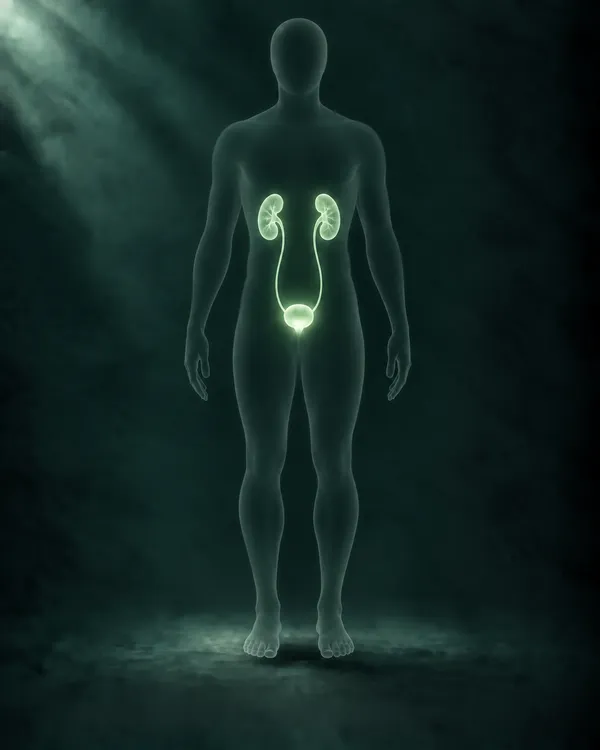
An enlarged prostate can interrupt sleep, make it hard to empty the bladder, and keep you looking for the nearest restroom. Prostate artery embolization, or PAE, is a minimally invasive treatment that may improve these symptoms without removing prostate tissue through the urethra. PAE is not right for every man with urinary symptoms. The first step is to confirm what is causing the problem and compare PAE with medication and urologic procedures.
What is BPH?
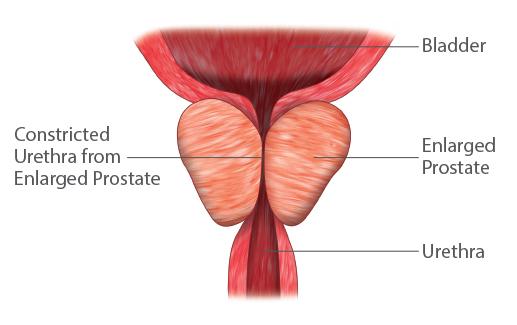
Benign prostatic hyperplasia, or BPH, is noncancerous enlargement of the prostate. Because the prostate surrounds part of the urinary passage, enlargement can affect urine flow and bladder emptying. Common symptoms include:
- A weak, slow, or interrupted stream
- Trouble starting urination or the need to strain
- Frequent or urgent urination
- Waking several times at night to urinate
- A feeling that the bladder did not empty
- Dribbling or episodes of urinary retention
BPH is not prostate cancer, but the two can exist at the same time. Infection, bladder problems, urethral narrowing, medications, and neurologic conditions can cause similar symptoms.
How PAE works
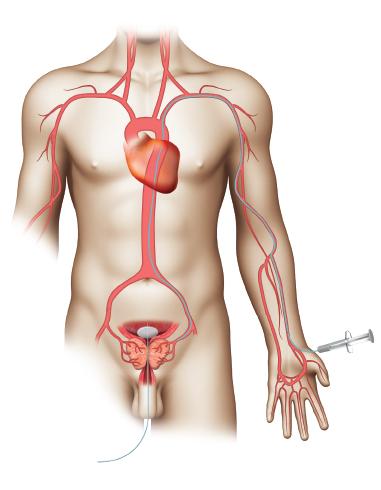
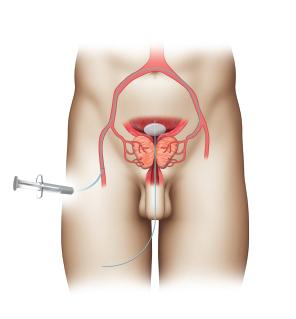
An interventional radiologist guides a small catheter into the arteries that supply the prostate. Tiny particles are placed in selected branches to reduce blood flow to enlarged prostate tissue. The prostate can then shrink gradually, which may reduce pressure on the urinary passage. PAE does not remove the prostate. Improvement usually develops over weeks or months rather than immediately, and the amount and duration of relief vary.
Who may be considered?
PAE may be worth discussing when BPH symptoms interfere with daily life. It may also fit when medications have not helped enough or cause unwanted effects. Some patients want to compare a catheter-based treatment with urologic procedures. Evaluation may include:
- A review of urinary symptoms, medications, and treatment goals
- Urine and blood tests when needed
- Measurement of urine flow and bladder emptying
- Prostate imaging and review of the pelvic arteries
- Urologic evaluation, including prostate-cancer screening when appropriate
PAE may not be suitable when another condition is the main cause of symptoms. It may also be unsuitable when the arteries cannot be treated safely or another procedure is more likely to meet the patient’s goals.
The outpatient procedure and recovery
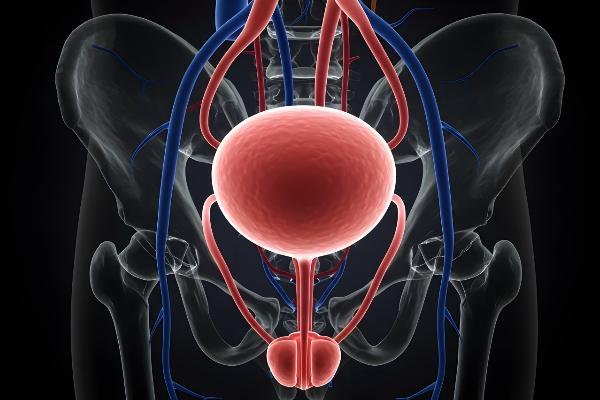
PAE is performed through a small opening in an artery at the wrist or groin. Provectus performs outpatient procedures, generally using local anesthesia and moderate sedation when clinically appropriate. X-ray guidance and contrast dye are used to map the arteries and protect nearby structures. Patients are monitored after the procedure and go home after recovery. Temporary urinary frequency, urgency, burning, pelvic discomfort, fatigue, or small amounts of blood in the urine or semen can occur. Each patient receives instructions about medications, activity, hydration, catheter care if needed, and warning signs.
Benefits, limits, and risks
PAE avoids a surgical incision and does not require instruments to pass through the urethra.
Major complications after PAE are uncommon when the procedure is performed by an experienced interventional radiologist.
PAE can still provide meaningful symptom and quality-of-life improvement for carefully selected patients. Having PAE does not prevent later medication, a repeat embolization, TURP, laser treatment, or another urologic procedure if needed. Most effects after PAE are temporary and may include urinary irritation, pelvic discomfort, fatigue, or a small amount of blood in the urine or semen. Less common complications include infection, temporary inability to urinate, bleeding or injury at the access site, contrast reaction, kidney injury, and unintended treatment of nearby tissue. Individual risks depend on the patient’s health and artery anatomy.
Comparing treatment options
Options may include observation, lifestyle changes, medication, office-based urologic procedures, laser treatment, TURP, other transurethral procedures, or surgery. These choices differ in recovery, symptom relief, durability, and urinary and sexual side effects. A balanced decision may involve both interventional radiology and urology.
When urinary symptoms are urgent
Seek urgent care for complete inability to urinate, fever with urinary symptoms, visible blood in the urine, or severe pain.
Want to know how bad your symptoms are?
Take the International Prostate Symptom Score (IPSS)
Patient Q&A
How quickly can PAE improve urinary symptoms?
Improvement is usually gradual because the prostate changes over time. Some patients notice a difference within several weeks; others improve over a few months.
Does PAE require general anesthesia?
PAE is generally performed with local anesthesia and moderate sedation when clinically appropriate. The medication and monitoring plan is individualized.
Will PAE affect sexual function?
However, the risk is not zero. Patients often use the term “retrograde ejaculation,” while studies may group true retrograde ejaculation with absent or reduced forward ejaculation. Patients for whom ejaculation is important should discuss the differences among procedures in detail.
How do the risks and results of PAE compare with TURP?
TURP usually produces a stronger improvement in urine flow and may provide more durable relief. Both can improve symptoms and quality of life. The better choice depends on prostate size and anatomy, bladder function, health, and treatment priorities.
Is prostate cancer a contraindication to PAE?
Not automatically. Suspected or active prostate cancer requires evaluation by urology and, when applicable, oncology because cancer treatment takes priority and PAE does not treat the cancer. PAE may still be considered in selected patients with treated, stable, or active prostate cancer for specific urinary or bleeding problems, but only as part of a coordinated plan.
Is PAE the right treatment for every enlarged prostate?
No. Symptoms, bladder function, prostate anatomy, artery anatomy, prior testing, health history, and personal priorities all matter.
Does PAE replace routine prostate care?
No. PAE treats selected symptoms caused by BPH. It does not replace prostate-cancer screening or follow-up with a urologist when appropriate.
Sources
- American Urological Association: BPH Guideline (opens in a new tab)
- Society of Interventional Radiology: Multisociety position statement on PAE (opens in a new tab)
- Long-term PAE outcomes in 1,072 patients (opens in a new tab)
- Randomized comparison of PAE and TURP (opens in a new tab)
- Ejaculatory outcomes after PAE and TURP (opens in a new tab)
- PAE in patients with prostate cancer (opens in a new tab)