
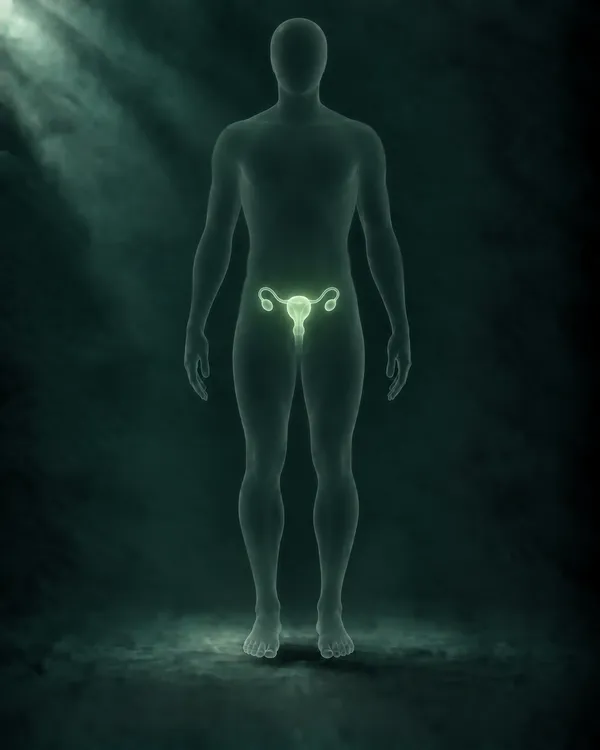
Pelvic congestion syndrome is one form of pelvic venous disorder. It may cause chronic pelvic pain when blood flows backward or pools in abnormal ovarian or pelvic veins. Enlarged pelvic veins on a scan do not prove they are the source of pain. Evaluation must connect the symptoms, examination, and imaging while considering other causes.
Symptoms that may fit a pelvic venous disorder
Symptoms vary but may include:
- A dull or aching pelvic pain present for months
- Pain that worsens later in the day or after long periods of standing
- Pain during or after sex
- Pelvic pressure that may worsen around menstruation
- Visible veins around the vulva, buttocks, or upper thighs
- Leg varicose veins that return after treatment or begin in an unusual location
Chronic pelvic pain can also come from gynecologic, urinary, digestive, musculoskeletal, or neurologic conditions. The goal is to identify the most likely cause, not simply treat an imaging finding.
How it is evaluated
Evaluation includes the timing and pattern of pain, pregnancy history, prior pelvic treatment, examination, and review of existing imaging. Pelvic ultrasound, CT, or MRI may show enlarged veins or another diagnosis. Venography may be used when embolization is being considered. Pelvic venous reflux can overlap with iliac-vein compression, including May-Thurner syndrome. The treatment plan should address the pathway most likely to be causing the symptoms.
How pelvic vein embolization works
An interventional radiologist guides a catheter through a vein to the abnormal pelvic veins. Venography maps the direction of blood flow. Coils, a sclerosant, a vascular plug, or another embolic material may be used to close selected veins and redirect blood through healthier pathways. The exact veins and materials vary with anatomy. Not every patient receives the same embolization pattern.
The outpatient procedure and recovery
Provectus performs pelvic vein embolization as an outpatient procedure, generally with local anesthesia and moderate sedation when clinically appropriate. Patients go home after monitored recovery and receive instructions about activity, medications, and follow-up. Temporary pelvic, back, or flank discomfort; fatigue; nausea; and bruising at the access site can occur. Improvement may be gradual.
Benefits, limits, and risks
The treatment avoids an abdominal or pelvic surgical incision. Pain can continue when another condition contributes, and some patients need further evaluation or treatment. Embolization does not prevent later gynecologic, urologic, venous, or pain treatment when another diagnosis or additional therapy is appropriate. Possible complications include bleeding, infection, contrast reaction, kidney injury, vein injury, clotting, unintended movement of an embolic device, or treatment of the wrong vessel. Fertility and pregnancy questions should be discussed individually.
Comparing treatment options
Pelvic pain treatment depends on the diagnosis. Options may include medication, pelvic-floor therapy, treatment of endometriosis or another gynecologic condition, or other specialty care. Embolization is directed at symptomatic pelvic venous reflux. Venous stenting may be considered instead of—or sometimes in addition to—embolization when a clinically important iliac-vein obstruction is driving the symptoms.
When pelvic pain is urgent
Sudden severe pelvic or abdominal pain, heavy bleeding, fainting, fever, or a possible pregnancy complication needs urgent medical evaluation. Call 911 for severe symptoms, fainting, or uncontrolled bleeding.
Patient Q&A
Do enlarged pelvic veins prove pelvic congestion syndrome?
No. Enlarged veins can be found in people without pain. The symptoms and imaging must support the same diagnosis.
Is pelvic congestion syndrome the same as uterine fibroids?
No. Fibroids are growths in the uterus; pelvic congestion syndrome involves abnormal pelvic veins. Both can cause pressure or pain, so correct diagnosis matters.
Is pelvic congestion syndrome related to May-Thurner syndrome?
They can overlap. Iliac-vein compression may change pelvic venous flow in some patients, but the conditions are not identical.
Does embolization guarantee pain relief?
No. It may help when pelvic venous reflux is truly driving the symptoms, but chronic pelvic pain often has more than one cause.
Can pelvic vein embolization affect fertility?
Available evidence has not established that embolization prevents pregnancy, but fertility data are less complete than pain-outcome data. Pregnancy goals should be part of the consultation.
Can I have another treatment after pelvic vein embolization?
Yes. Embolization does not prevent later treatment if symptoms have another cause, additional abnormal veins are identified, or a different therapy becomes appropriate.