

Uterine Fibroids
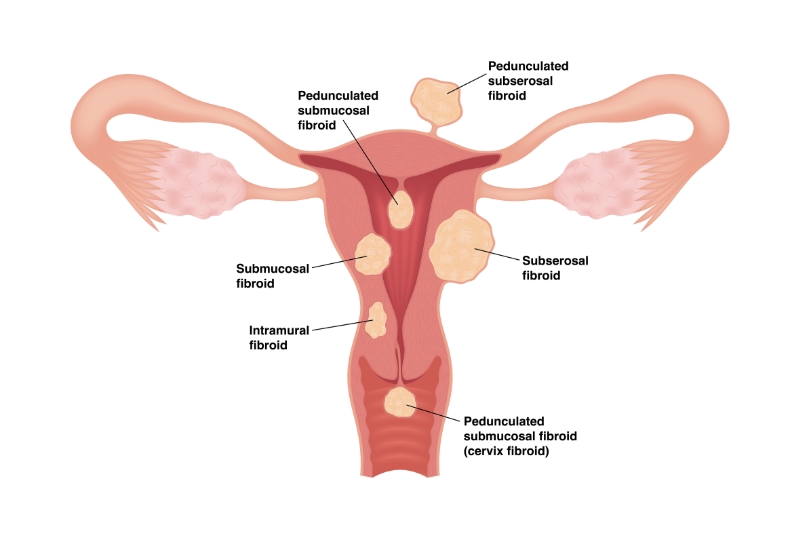
Uterine fibroids are benign, non-cancerous growths in or on the walls of the uterus or womb and affect up to 80% of women. They can range from less than an inch to more than six inches in diameter.
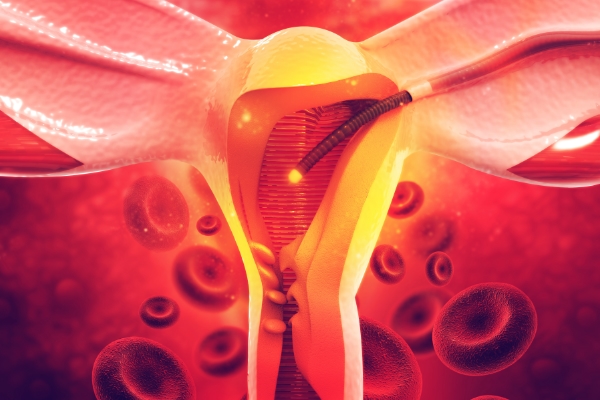
Common Symptoms
While most fibroids are asymptomatic and typically discovered when a woman has a routine pelvic examination, some women may experience symptoms associated with fibroids.
Fibroid pain and heavy menstrual bleeding can change the way you act and live. Know the symptoms you shouldn’t ignore. Don’t keep relief waiting.
Fibroid symptoms may include:
Heavy, prolonged menstrual periods, sometimes with clots
Anemia (fatigue due to low red blood count)
Pain or pressure between the hip bones or in the back of the legs
Pain during sexual intercourse
Urinary frequency
Constipation or bloating
An enlarged belly
Discover key benefits of Uterine Fibroid Embolization
Uterine Fibroid Embolization (UFE) is a safe, effective and proven alternative treatment to hysterectomy. UFE eliminates fibroids by blocking their blood supply causing them to shrink. Benefits of UFE include:
• Minimally invasive, performed through small nick in skin
• No general anesthesia
• Often performed as outpatient procedure
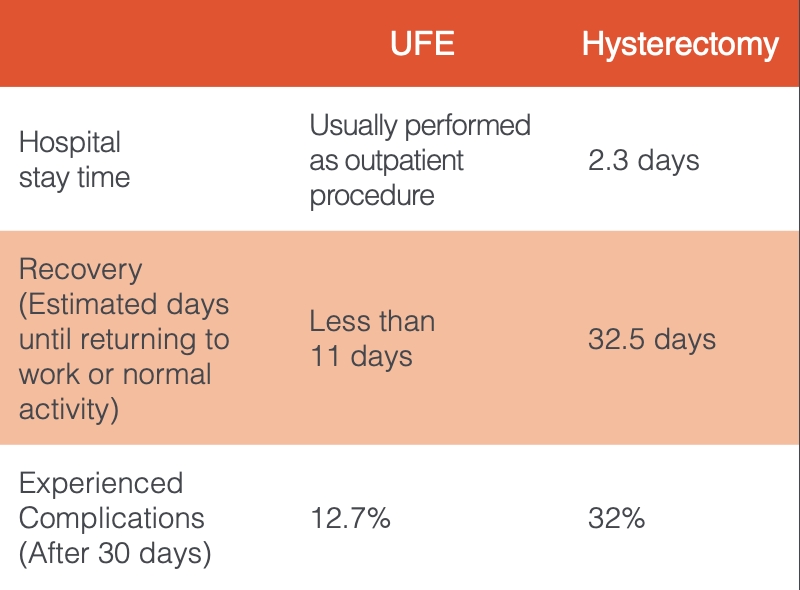
• Faster recovery compared to hysterectomy
or myomectomy
• Covered by most insurance
Understand the UFE Treatment
Uterine Fibroid Embolization (UFE) is a minimally invasive procedure that Dr. Gonzalez performs at our Miami / Kendall office. It cuts off blood flow to all the fibroids, causing them to diminish. Fibroids of all sizes are eligible for this procedure.
Uterine Fibroid Embolization is a low-risk, minimally-invasive procedure that is an alternative to traditional surgery. Our team reduces pain and discomfort minimum and your recovery time is reduced to days instead of weeks or months. The entire fibroid treatment typically lasts less than one hour, and is performed as an outpatient therapy.
The uterine fibroid embolization procedure begins with a tiny incision in the femoral artery. This incision provides the IR with access to the femoral artery in the upper thigh. Using specialized X-ray equipment, the IR passes a catheter (small tube) into the femoral artery, to the uterine artery, and guides it near the location of the fibroid tumor. When the IR has reached the location of the fibroids, embolic material (small spheres) are injected through the catheter and into the blood flow leading to the uterine fibroid tumors.
The embolic material is designed to block the vessels around the fibroid, depriving it of the blood and oxygen it needs to grow. The blood and oxygen deprivation results in fibroids shrinking. The embolic material remains permanently in the blood vessels at the fibroid site.
The catheter is then moved to the other side of the uterus, usually using the same incision in the thigh. Once the IR has completed embolization of the uterine artery on both sides, the catheter is gently removed and the IR places finger pressure over the small incision in your thigh. After holding the puncture site for a few minutes to help stop any bleeding, the IR may close the incision using a vascular closure device.
TESTIMONIALS
What Our Patients Are Saying
Dr Gonzalez performed prostate pae surgery on me; he explained everything throughly beforehand and I am having wonderful results from same. Dr Gonzalez and his staff are amazing and caring people and I highly recommend.
David M.
Dr. Gonzalez is amazing. He was able to find a rare condition I have that multiple other physicians did not pick up. He is both caring and knowledgeable. He explained all procedures and outcomes clearly and was available for my questions and concerns even after my procedure. He is a five star doctor and I would highly recommend him!
Adrienne V.
Dr. Gonzalez-Beicos and his staff are very professional, knowledgeable, friendly and caring. After dealing for 10 years with BPH, five biopsies, two TURP and three hospitalizations for complications I want to thank Dr. Gonzalez-Beicos and his team. They did and excellent job with a procedure called Prostatic Artery Embolization. I recovered fast and finally I can say that I’m back to normal. I would and do highly recommend him.
Jorge M.